


Soil pH is a critical factor that significantly influences the availability of nutrients to plants. This factor affecting overall soil health and crop productivity. It measures the acidity or alkalinity of the soil, with a scale ranging from 0 (highly acidic) to 14 (highly alkaline), and a pH of 7 representing neutral conditions. The pH level of soil not only determines the types of plants that can thrive but also impacts the efficiency of fertilizers and the activity of soil microorganisms.
In agriculture, maintaining an optimal soil pH is essential for maximizing nutrient uptake by plants. Different crops require different pH levels to access essential nutrients like nitrogen, phosphorus, and potassium. Understanding how to measure and manage soil pH is key to achieving high agricultural yields and sustainable farming practices.
This article explores the impact of soil pH on nutrient availability, identifies the optimal pH ranges for various crops, and discusses methods for measuring and adjusting soil pH. Additionally, we will examine the factors that influence soil pH and introduce the use of wood vinegar as a sustainable solution for managing soil acidity.
The Effect of Soil pH on Nutrient Availability
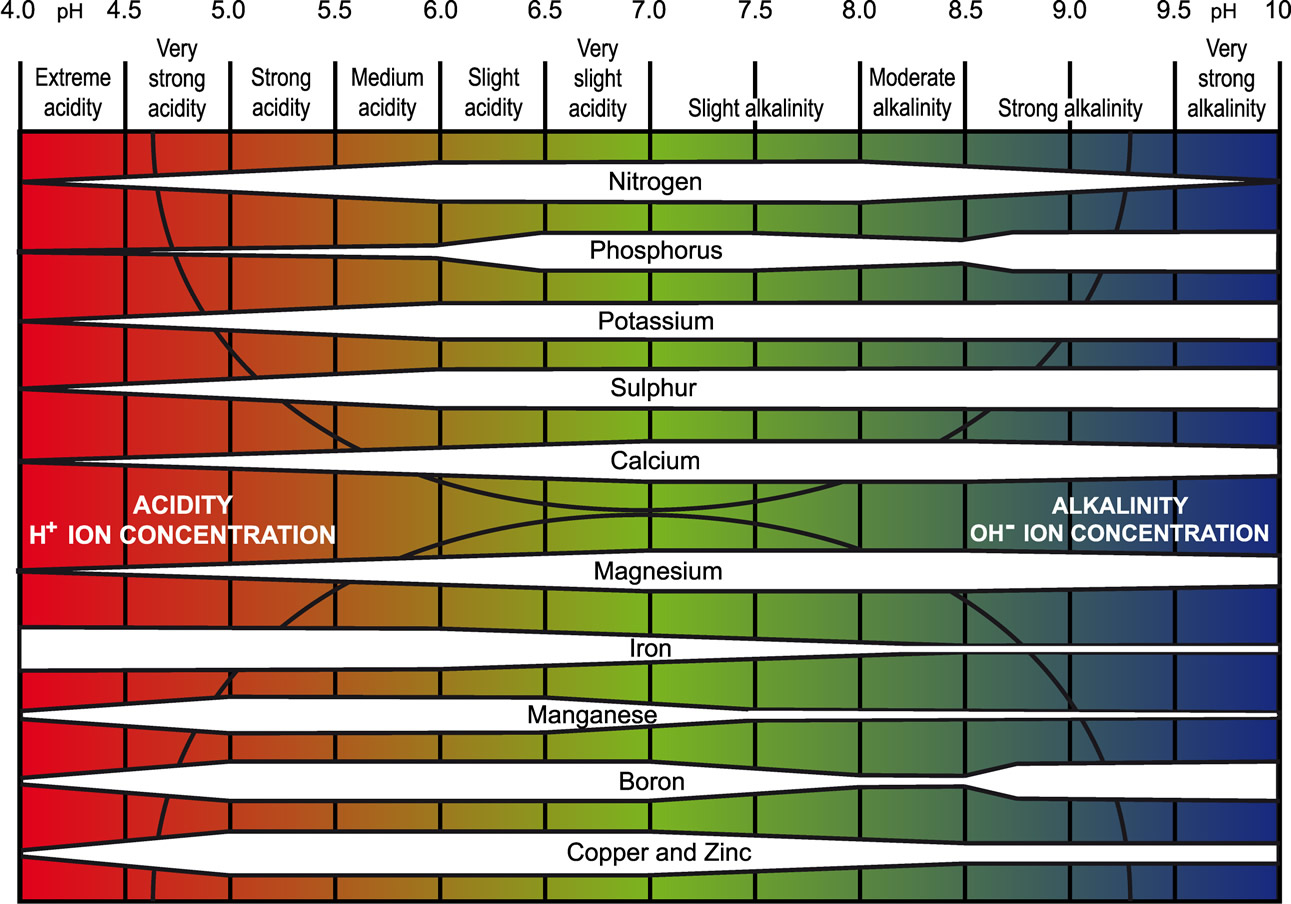
Soil pH plays a crucial role in determining the availability of nutrients essential for plant growth. While major plant nutrients such as Nitrogen (N), Potassium (K), and Sulfur (S) are less directly influenced by soil pH, they are still affected to some extent. However, Phosphorus (P) is significantly impacted by pH levels.
In alkaline soils with a pH above 7.5, phosphate ions readily react with calcium (Ca) and magnesium (Mg), forming less soluble compounds that are difficult for plants to absorb. Conversely, in acidic soils, phosphate ions tend to bind with aluminum (Al) and iron (Fe), also forming less soluble compounds, which limits their availability to plants.
Micronutrients, in particular, become less available in soils with a pH above 7.5. These nutrients are generally more accessible in slightly acidic soils, where the pH ranges from 6.5 to 6.8. An exception is molybdenum (Mo), which becomes less available in acidic conditions and more available at moderately alkaline pH levels.
Maintaining soil pH within the optimal range ensures the availability of most secondary and micronutrients, preventing deficiencies and promoting healthy plant growth.
Figure 1 illustrates the availability of different nutrients across various soil pH levels, highlighting the importance of maintaining optimal pH for nutrient accessibility.
Optimal Soil pH for Agriculture
Soil pH is a crucial environmental factor that significantly influences plant growth and development. It directly affects the availability of essential nutrients, which plants require for optimal growth. Additionally, soil pH impacts the activity of the soil microorganisms, which play a vital role in nutrient cycling and overall soil health.
Different plants have specific pH requirements, but most agricultural crops perform best within a pH range of 6 to 7.5. This range is ideal because it maximizes the availability of key nutrients, ensuring that plants can absorb what they need for healthy growth. Furthermore, a pH within this range supports robust root development, allowing plants to anchor well and access water and nutrients more efficiently.
The 6 to 7.5 pH range is also beneficial for soil microorganisms, which are integral to maintaining soil fertility. In this range, plants tend to produce more root exudates—organic compounds released into the soil—which serve as a carbon source for microbes. This symbiotic relationship enhances microbial activity, leading to better nutrient cycling and improved soil structure, which further supports plant health.
How to measure soil pH?
Measuring soil pH is essential for understanding soil health and optimizing plant growth. There are two main methods for testing soil pH: the direct and indirect method.
Direct Method
Direct soil testing, on the other hand, involves creating a small hole in the soil, adding a small amount of distilled water, and inserting a pH testing instrument directly into the soil. This method is particularly useful for in-situ testing, as it provides a more accurate representation of the soil’s pH in its natural state. The choice of testing tool also plays a critical role. While pH test strips and chemical test kits are cost-effective and easy to use, they offer less precision compared to digital or analog pH meters, which deliver more accurate and consistent results.
Indirect Method
This method involves mixing a soil sample with distilled or deionized water in a 1:1 ratio. After stirring and allowing the mixture to settle, a pH reading is taken from the slurry. This method provides a quick and straightforward way to assess the general pH level of the soil.
Selecting the right method and tools depends on your specific needs, whether you require a general overview or precise measurements. Understanding soil pH allows for better-informed decisions regarding soil management, leading to healthier plants and more productive landscapes.
Factors Influencing Soil pH
Several factors influence soil pH, including the type of parent material, rainfall, and the application of certain substances.
- Parent Material:
- The original rock from which soil is formed plays a significant role in determining soil pH. Soils derived from basic (alkaline) rocks typically have higher pH values, while those formed from acidic rocks have lower pH levels.
- Rainfall:
- Rainfall significantly affects soil pH. Water moving through the soil leaches away basic nutrients like calcium and magnesium, which are then replaced by acidic elements such as aluminum and iron. Consequently, soils in high rainfall areas tend to be more acidic than those in drier regions.
- Lime Application:
- The application of lime-containing materials, such as ground agricultural limestone or wood ashes, can raise soil pH. Wood ashes are rich in potassium and calcium, and also contain small amounts of phosphate, boron, and other nutrients. While not as potent as limestone, repeated use of wood ashes can significantly increase soil pH.
- Fertilizers and Organic Matter:
- Ammonium-based fertilizers, organic matter, aluminum sulfate, and sulfur are common materials that lower soil pH. These substances introduce or increase acidity in the soil, leading to a decrease in pH over time.
Understanding these factors is crucial for managing soil pH effectively, ensuring optimal conditions for plant growth.
Effect of Wood Vinegar on Soil pH
Wood vinegar, also known as pyroligneous acid, is a yellow to reddish-brown liquid rich in organic acids, alcohols, phenols, aldehydes, and esters. It is produced through the pyrolysis of wood and the other lignocellulosic raw material .
One of the key effects of wood vinegar is its ability to decrease soil pH. This is particularly beneficial for alkaline soils, where lowering pH can enhance nutrient availability. In addition to modifying pH, wood vinegar boosts soil microbial activity and increases the organic matter content in the soil. These changes contribute significantly to soil fertility.
Wood vinegar presents a sustainable alternative to chemical soil amendments, especially for reducing the pH of alkaline soils. Its application can lead to improved soil health and fertility, supporting sustainable agricultural practices. Using wood vinegar offers a natural and effective way to enhance soil quality and promote long-term soil productivity.


This is Prof. Abd El-Azeim, Vice Dean, Faculty of Agriculture, Minia University, Egypt. Can we have some samples for scientific research
Dear Prof. Abd El-Azim,
Please contact us via email: info@woodvinegaragri.com